

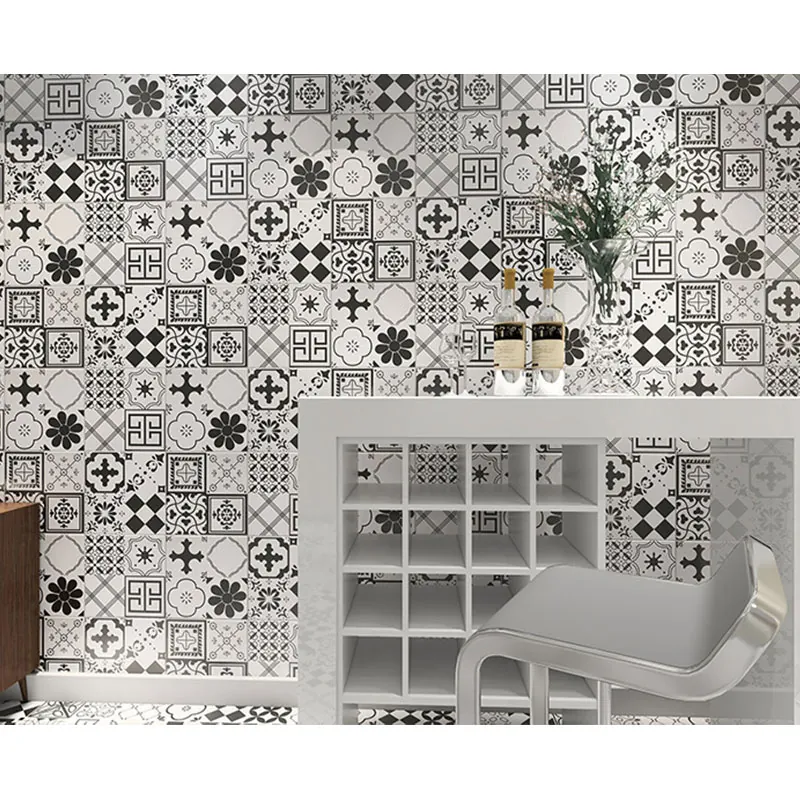
A patterned floor can connect a project’s rooms, but phased purchasing introduces a coordination challenge: later deliveries need to be checked against the approved selection. Buyers ordering patterned porcelain floor tiles should plan batch requirements before approving the first order. Early records make it easier to discuss quantities, timing, and product references with the supplier.
No purchasing document can guarantee that separate production runs will look identical. The practical aim is to confirm what the supplier can provide, retain a clear reference for the approved material, and understand how any later order will be reviewed. That matters when floors continue through several rooms or when installation is scheduled in stages.
Build a Room-by-Room Quantity Plan
Start with the project drawings and divide the flooring into rooms, zones, or construction phases. Record the approximate area, pattern direction, transitions, and locations where the layout must align with adjacent spaces. This helps identify which areas should be supplied together.
Map the pattern across spaces
Patterned tile can create directional lines or repeating motifs. Decide how the design should run through doorways and across connected rooms before ordering. A floor plan or marked-up layout can show where the pattern begins, where cuts may occur, and which areas depend on a shared visual reference.
Discuss the plan with the designer and installer. They can identify transitions, borders, and cut locations that affect quantity. Keep any allowance for cuts or future repairs as a separate planning note instead of blending it into the measured floor area. Confirm the quantity calculation with the project team before requesting a final quotation.
Decide how batches will be scheduled
List which rooms belong to the first order and which are planned for later phases. If practical, ask whether areas that connect visually should be ordered together. If separate orders are necessary, share anticipated follow-up quantities and timing with the supplier before finalizing the first purchase.
Ask how the supplier records product names, codes, and order references. If batch or production information is available, request it in the documentation. Do not assume the supplier can reserve the same production run for future phases. Ask what can be confirmed for the specific product and schedule.
Establish the Approved Reference
Before placing the order, create a record that purchasing, design, and installation teams can use. Include the product reference, dimensions, finish, pattern direction, approved sample, quantity, and intended areas. A written reference helps prevent confusion when several patterned products look similar in a catalog.
Review samples and product details
Examine a sample in the project setting and compare it with the specified palette and neighboring materials. A single sample may not represent every piece in a larger order, so ask the supplier how appearance and any natural variation are described for that item. Record the response with the quotation and sample approval.
For buyers comparing patterned porcelain floor tiles, make sure the chosen product code and approved design appear in the order records. Ask whether delivered packages can be identified with matching references. This gives the receiving team a way to check shipments against the purchase documents.
Confirm acceptance and change steps
Agree on how a proposed change will be handled. If the supplier needs to substitute a product, adjust a design, or revise a schedule, request the change in writing before accepting it. Identify who approves revisions on the buyer’s side and how the updated record will reach the installer.
When a delivery arrives, compare package labels and quantities with the order confirmation. Follow the supplier’s instructions for inspecting the shipment and documenting discrepancies. Keep sample approval records accessible in case the team needs to discuss a concern or plan a later phase.
Coordinate Ordering With Installation
Batch planning should reflect the construction schedule. Ask the installer when each zone needs material and whether floor preparation or site access affects delivery timing. A delivery that reaches the site too early can complicate storage, while a late shipment can disrupt installation sequencing.
Confirm how products will be packed, labeled, and delivered to the site or warehouse. For multiple destinations, assign each quantity to its location. Clarify who arranges freight, provides shipping documents, and handles receipt. Keep these responsibilities in writing so the buyer and supplier share the same schedule assumptions.
Preserve the Record for Future Phases
Consistent batch planning depends on clear references and timely communication. Keep drawings, quantity schedules, approved sample information, order confirmations, and delivery records together. Before placing a later order, compare the request with these records and ask the supplier to reconfirm availability and appearance expectations. This gives the project team a documented basis for coordinating each phase without assuming separate orders will be identical.
JLA Ceramics is a manufacturer of ceramic and porcelain tiles, with patterned tile designs and porcelain floor tile collections for residential and commercial projects. Their patterned range includes geometric, floral, vintage, and contemporary designs in different colors, styles, and formats.
They also provide custom tile design and OEM services, including options for patterns, sizes, colors, and finishes. Buyers can contact JLA Ceramics to discuss product selection and confirm the details required for phased orders.

