

Two quotations for the same drawing can describe different deliveries. One may cover an unfinished blank, while another includes machining, surface treatment and dimensional inspection.
A search for “CNC machining in China” does not resolve those differences. The specification has to connect the component’s intended function with its material, manufacturing scope and acceptance evidence, so that a price refers to a defined result rather than an interpretation.
A Drawing Defines More Than Shape
Revision status establishes which design is being priced and manufactured. A quotation needs an identified drawing revision and a clear relationship between the drawing, model and any separate specification.
Suppliers found through a “CNC machining China factory” search may interpret holes, interfaces or unfinished surfaces differently when files conflict.. The issue is especially significant when a model shows nominal geometry but the drawing contains additional manufacturing requirements.
Material definition is part of that controlled package. Grade, supplied condition and any required certification distinguish materials that may look similar but behave differently during machining or forming.
Surface treatment also needs a defined position in the manufacturing sequence. A dimension measured before coating may not describe the finished interface, so both the required condition and the point of acceptance need to be clear.
Functional features deserve more detail than noncritical geometry: a locating face, mating hole or sealing surface may determine whether the component works in an assembly, while a generous clearance elsewhere may permit wider variation. Identifying these differences directs attention to the features that matter without imposing unnecessarily tight requirements on every surface. The approved documents then establish what must be controlled.
Acceptance Starts With Measurable Features
A tolerance defines an allowable range, but inspection also needs a common reference. The specification should identify how the feature relates to the surfaces or datums that locate the part in use.
Measuring from a convenient edge instead of the agreed reference can produce a different conclusion about the same component. Critical dimensions and their reference system therefore belong in the acceptance agreement together.
An acceptance plan for “CNC machining in China” also needs to distinguish inspection of a first component from evidence for the delivered batch. A first sample may demonstrate that the proposed method can produce the required geometry.
Batch records address whether subsequent components meet the agreed requirements. The required evidence, its format and its relationship to individual parts or lots need to be settled before production.
Appearance, edge condition and surface finish require their own definitions when they affect function. Terms such as smooth or clean leave room for interpretation unless accompanied by an agreed criterion or reference sample.
Deburring may matter to assembly even when overall dimensions are acceptable. These requirements prevent dimensional approval from being mistaken for acceptance of every aspect of the finished component.
Matching the Work to the Production Resources
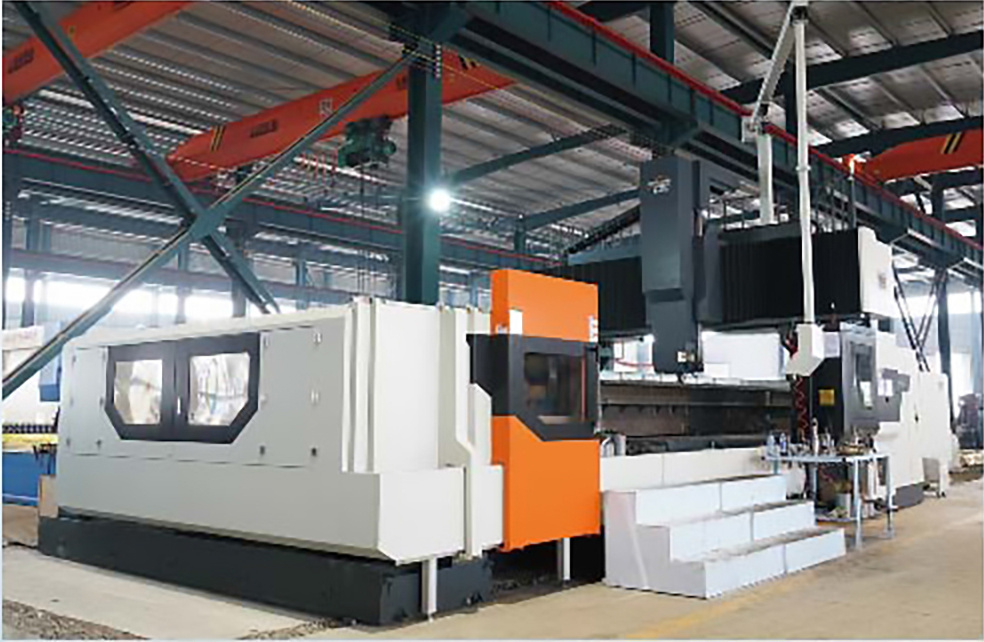
The next step connects the technical package to the resources needed to execute it. Part geometry dictates the space, tool access and inspection arrangements required at a “CNC machining China factory” to control the component’s specified functional features.
A large machine does not by itself establish the ability to hold a particular feature relationship. Long, slender features may also require support during manufacture and measurement, even inside an otherwise adequate workspace.
OEM/ODM support at Colgar concerns project-specific sheet metal equipment development and machinery manufacturing. Its engineering work includes shearing, bending, grooving, laser cutting and punching systems.
Equipment manufacture and subcontract component production involve different commitments, so a general business description cannot replace project-specific scope confirmation. An assessment still needs a direct connection between the proposed work and the resources being offered.
A technical exchange or factory audit can examine that connection in more detail: discussions can follow the proposed operation sequence, locate any externally performed processes and identify where acceptance evidence would be generated. Questions about measurement access or intermediate handling may reveal requirements absent from an equipment directory. Capability evaluation becomes useful when it follows the component definition rather than the size of a facility.
Keeping Revisions and Delivery Connected
A design change can affect material already ordered, tools already prepared and components already in production. An OEM/ODM discussion with Colgar therefore needs a named authority for technical changes and an agreed release point.
After a drawing change, deliveries from a “CNC machining China factory” need records identifying the approved revision and the disposition of work completed under earlier production instructions. Written approval of a change also establishes whether the revised requirement applies to current or future production.
When drawings change during CNC machining in China, buyers should document how to handle stock made to the earlier revision. Rework, segregation or continued use can have different consequences for assembly and inspection.
Recording the accepted disposition prevents a new drawing from silently changing the status of an earlier batch. Packaging and identification then carry that decision through to the receiving team, alongside the agreed inspection documents.
Distance becomes easier to manage when the required technical decisions are explicit. Colgar welcomes factory audits and technical exchanges, providing a channel for clarifying equipment-related requirements before an arrangement is finalized. For outsourced component work, the same discipline keeps scope, revisions and acceptance aligned: production and inspection then refer to one approved definition of the component to be delivered.

